Ingredients
- 45mlCognac
No Cognac? Brandy — a nice brandy does the job — whatever you love · Armagnac — rougher and more rustic than cognac, and all the better for it
- 30mlDry Curaçao
No Dry Curaçao? Triple Sec — sweeter and simpler — use a touch less, and expect less orange-peel bitterness
- 15mlLemon Juicefreshly squeezed
- Garnish
- Sugar-rimmed glass
Make it well
Shaken, properly.
Rub a lemon around the of your glass
Dip your glass into sugar to coat the rim
Add all your ingredients into the
for 10-12 seconds
into the glass
On the palate
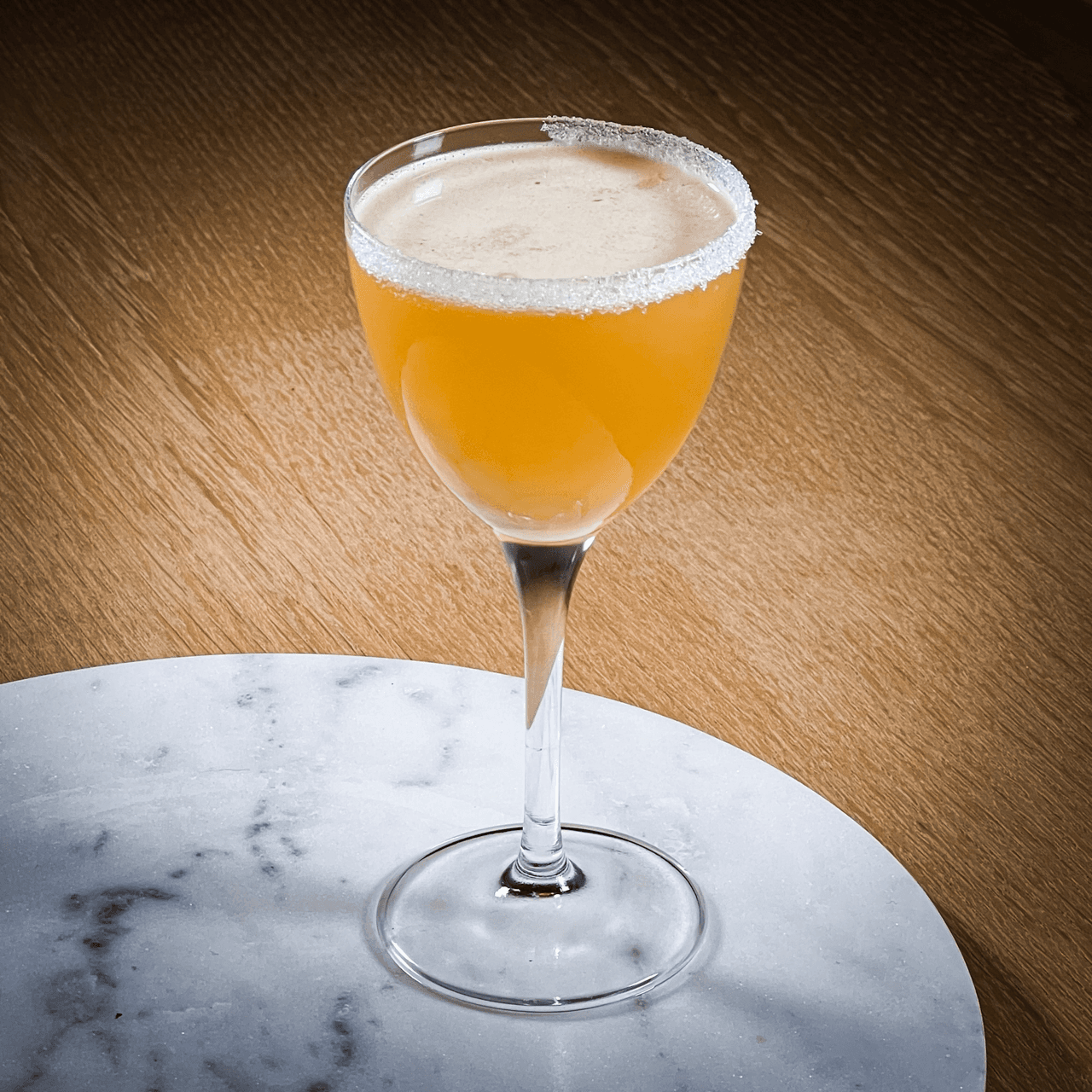
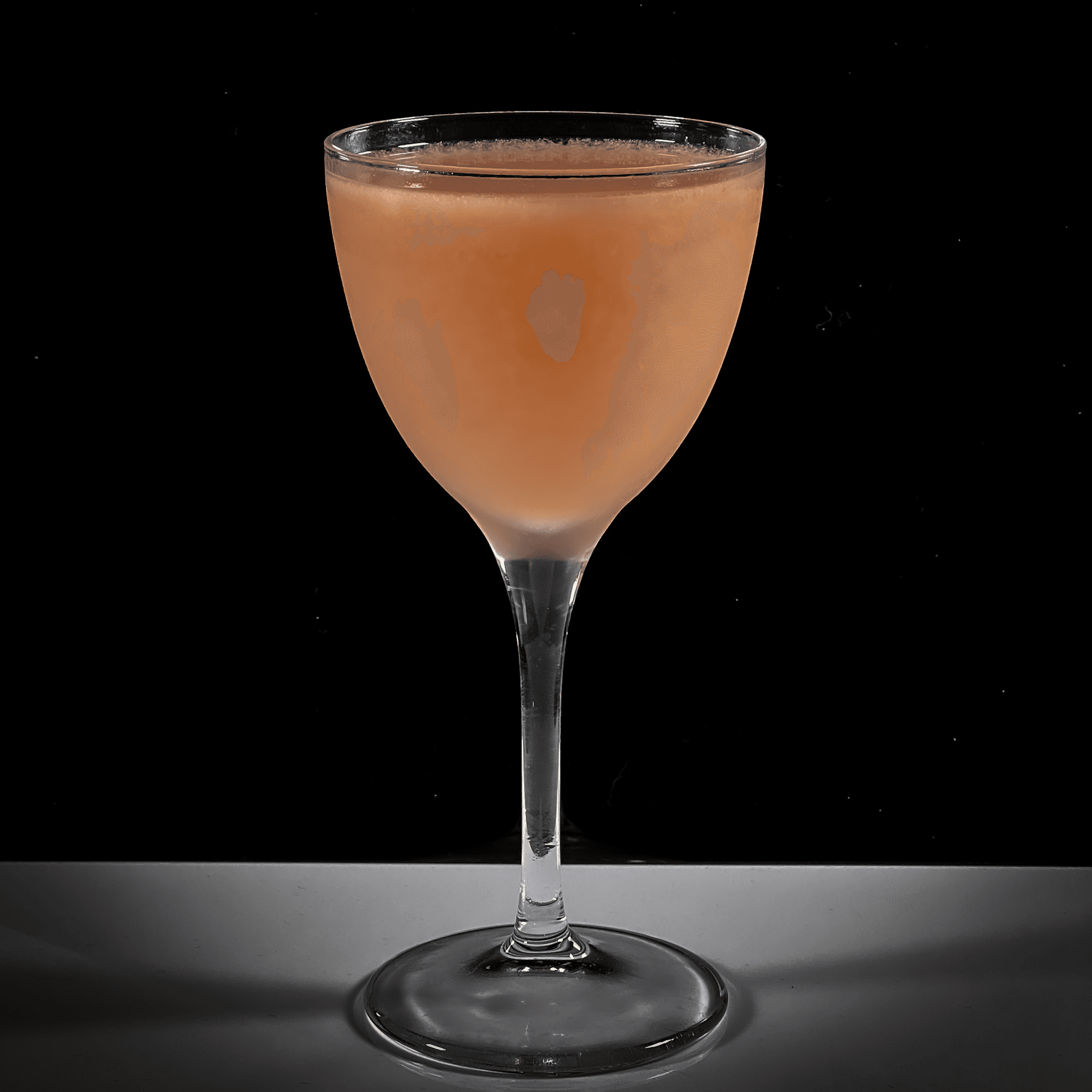
On the nose we get dry orange peel and fruit. It's light, bright and citrusy. On tasting it's citrus up front moving into a dry orange and woody flavour. It's warming, perfect for the spring sun cutting through the cold.

Where it came from
Rumours abound as to the origins of this classic cocktail. One story claims that towards the end of World War One, an American Army Captain would travel to a Paris bar in the sidecar of a friend's motorbike. In need of a pre-dinner drink to warm his cockles, the classic mix of cognac, curaçao and lemon juice was born. Others suggest that the Sidecar was invented in London, as an evolution of the Brandy Crusta which was a popular drink in the city at the time. Regardless of its place of origin, it was enjoyed by many in smoky chandelier-lit bars during the Jazz Age.
Keep pouring
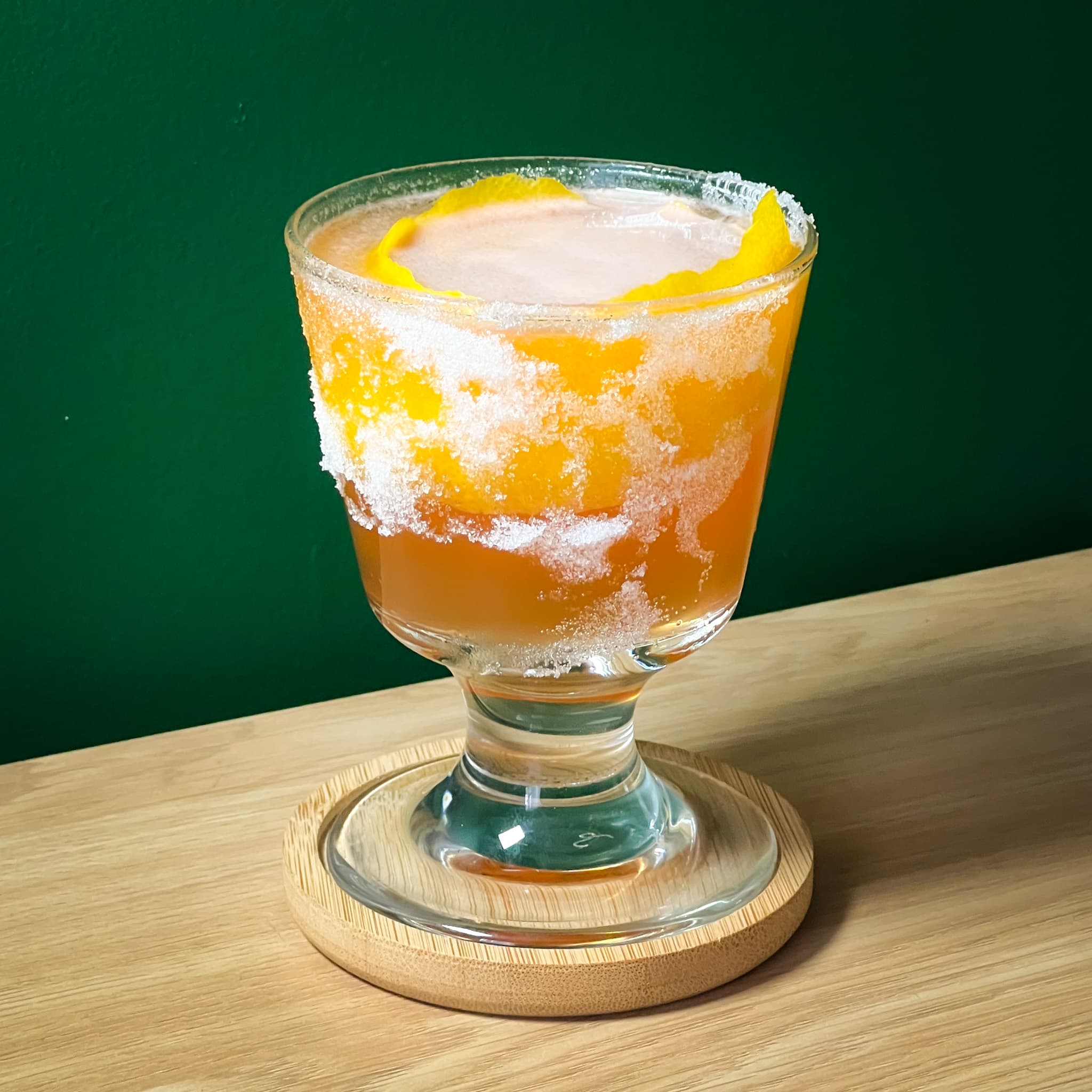
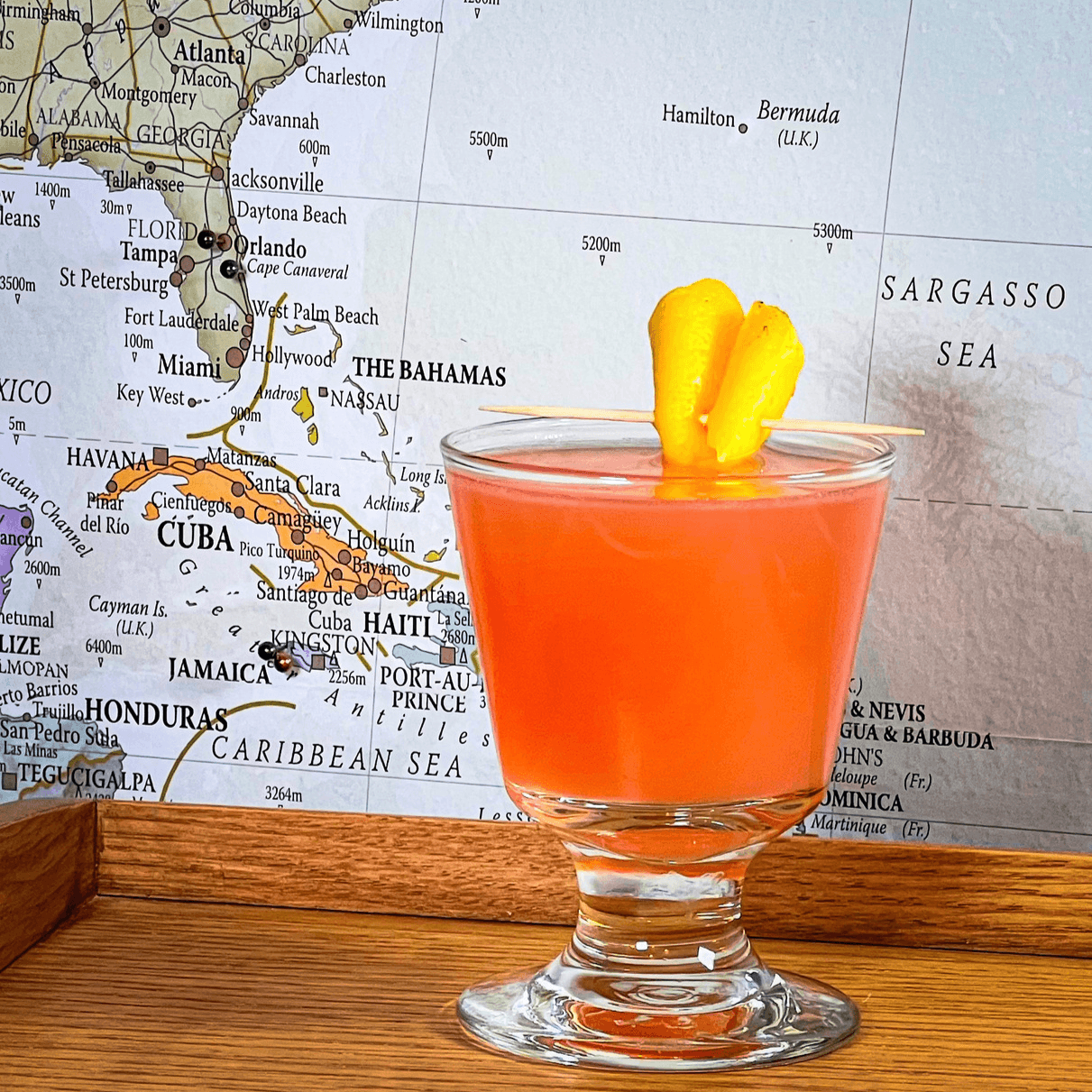
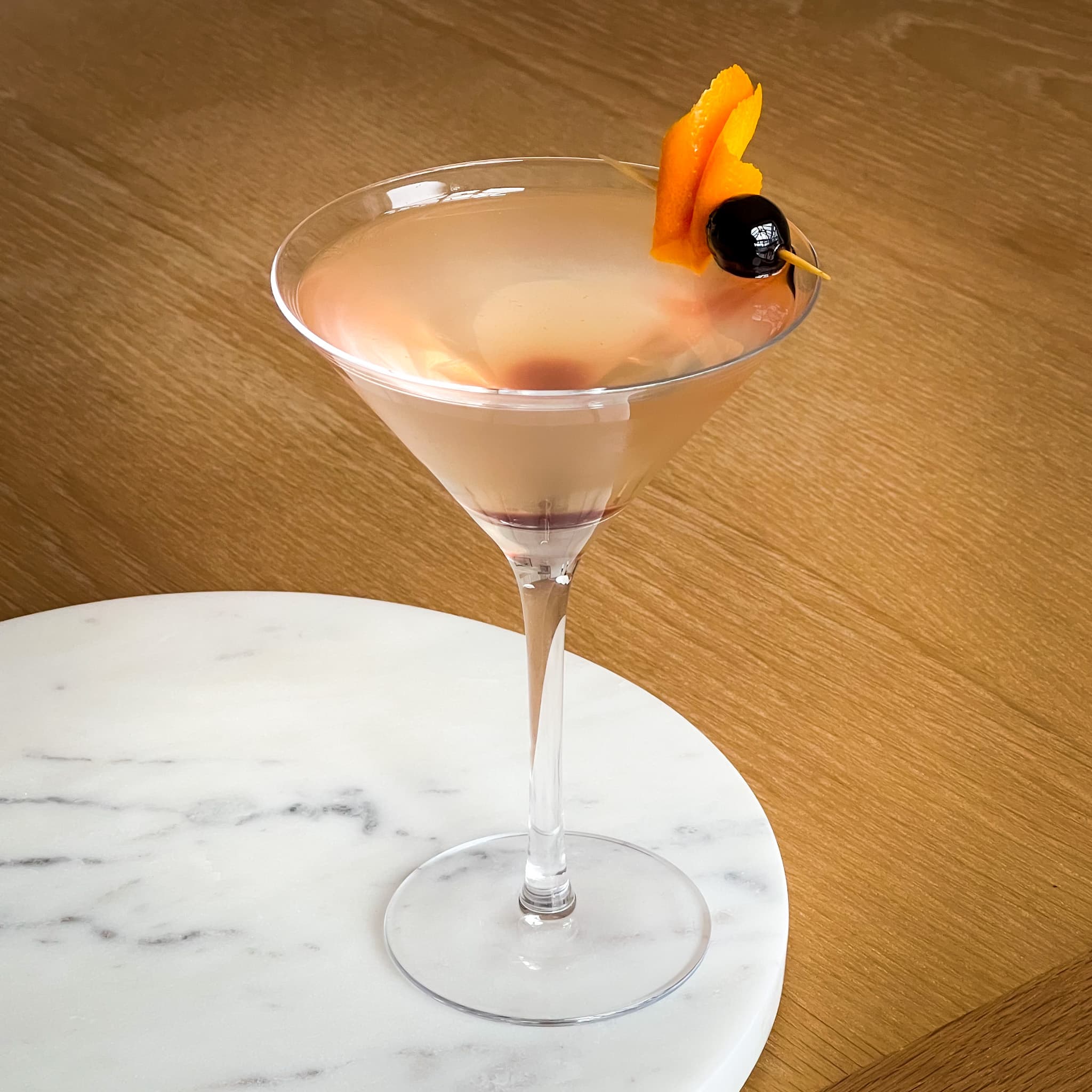
If you like the Sidecar, try these
The bartender’s note
One drink, one story, one bottle worth buying.
Thursday evening, so you have time to shop. No more than that.