El Presidente
Cuba's answer to the Martini
- Method
- Stirred
- Style
- Classic
- Glass
- Martini glass
- Time
- 5 min
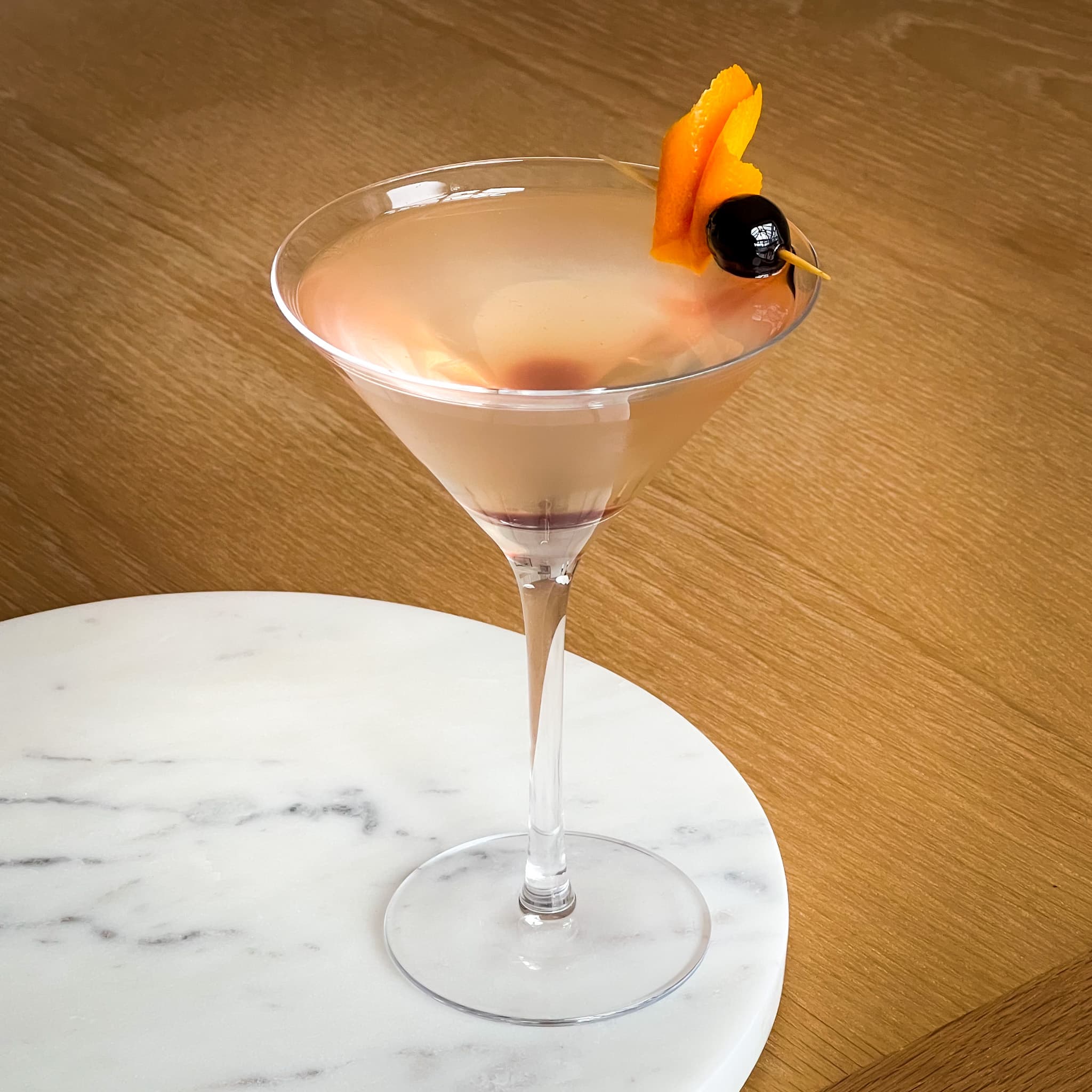
Ingredients
- 45mlLight RumProbitas recommended
No Light Rum? Gold Rum — a little oak and caramel where light rum is clean — fine anywhere the drink isn't meant to be crisp
- 22.5mlBlanc VermouthDolin Blanc de Chambéry recommended
No Blanc Vermouth? Dry Vermouth — drier and sharper, with less of the sweetness holding it in balance
- 7.5mlDry CuraçaoFerrand recommended
No Dry Curaçao? Triple Sec — sweeter and simpler — use a touch less, and expect less orange-peel bitterness
- 3-4mlGrenadine
- Garnish
- Orange zest and a cocktail cherry
Make it well
Stirred, properly.
Add the rum, blanc vermouth, curaçao and to a with ice.
for 20-30 seconds until well chilled. There's no citrus in this one so it's stirred, not .
Strain into a chilled coupe.
a of orange zest over the top for the oils, then drop a cocktail cherry in.
On the palate
On the nose it's dry orange from the curaçao with something soft and honeyed behind it, which is the blanc vermouth doing its thing. On tasting, you'll notice the rum barely shows itself, it's holding the whole drink up from underneath rather than shouting about it. The barspoon of grenadine isn't really there for sweetness either, it's there for the blush. Silky from the stir, bone dry at the finish. It's a rum drink that behaves like a Martini, and we mean that as a compliment.
Where it came from
El Presidente was born in Havana sometime in the early 1900s, and who exactly invented it is genuinely unsettled. Three names get put forward: that it was created for Cuban president Mario García Menocal, who the drink is presumably named after; that it was popularised by American bartender Eddie Woelke after he arrived to run the bar at the Sevilla Biltmore in 1919; or that it originated at La Florida, the bar later famous as El Floridita, under the legendary Constantino Ribalaigua Vert. The earliest known printed recipe, from John Escalante's 1915 Manual del Cantinero, is close to today's version but includes a dash of bitters that's since dropped out of the standard spec. Whoever actually mixed the first one, it became one of Prohibition-era Havana's signature exports to thirsty American tourists.
Keep pouring
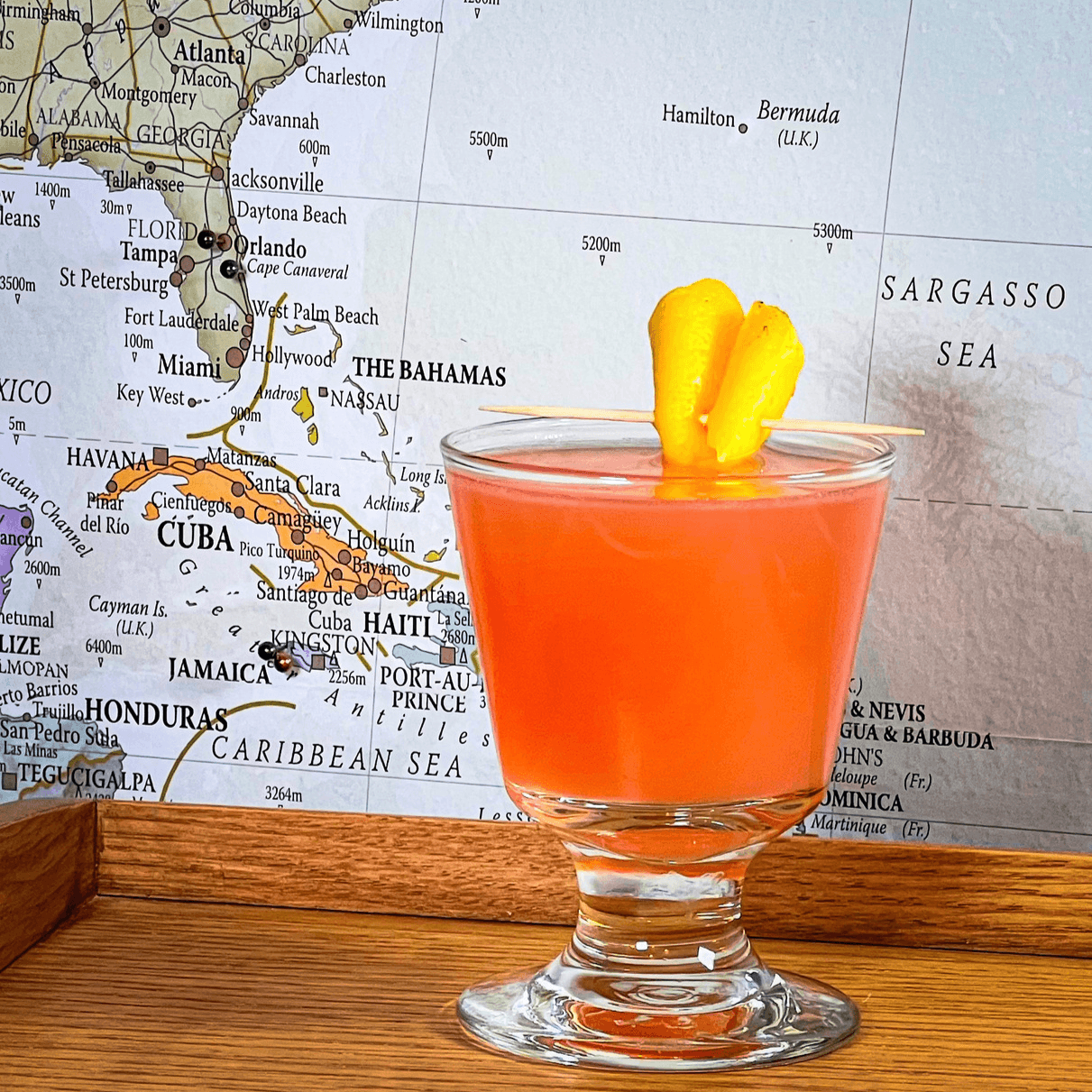
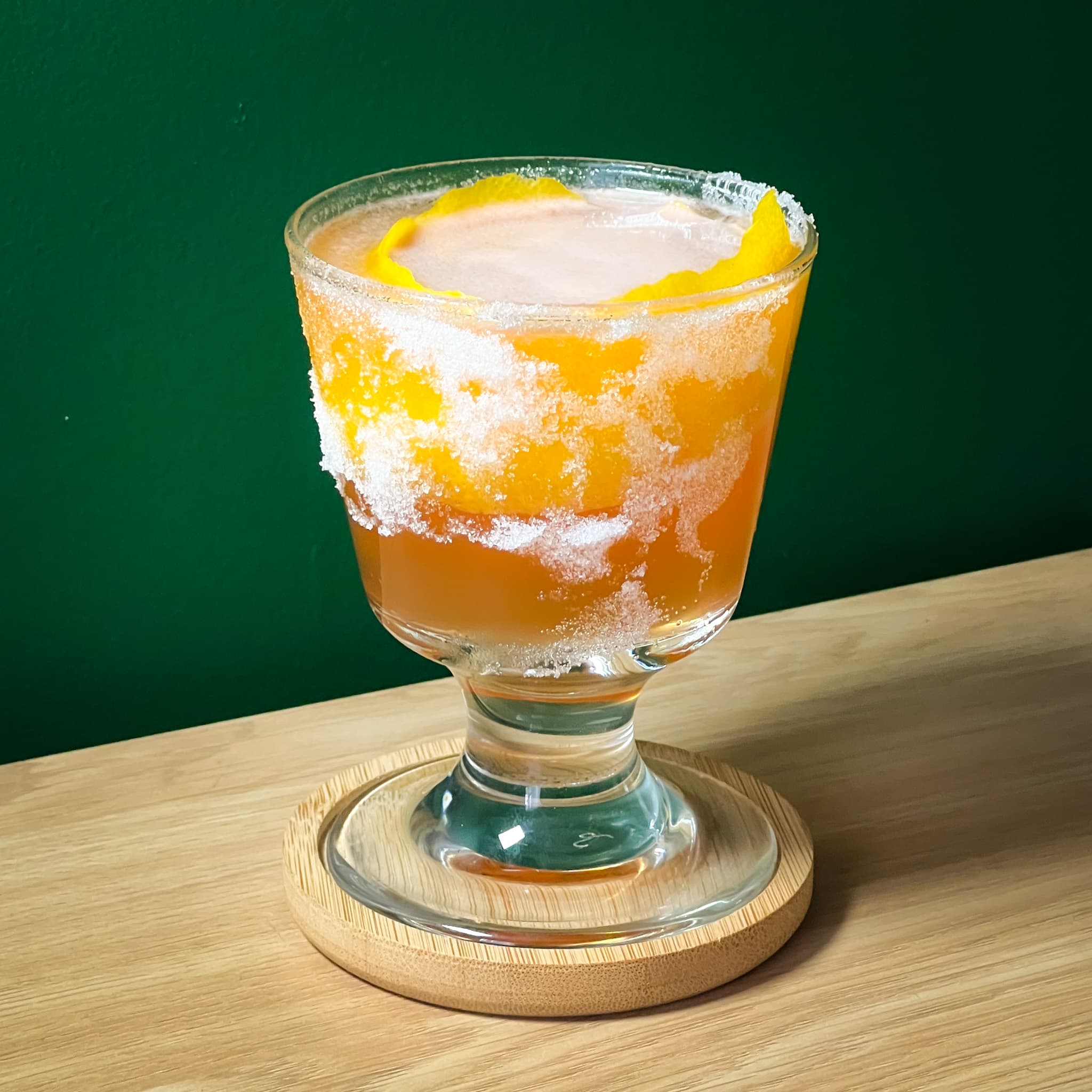
If you like the El Presidente, try these
The bartender’s note
One drink, one story, one bottle worth buying.
Thursday evening, so you have time to shop. No more than that.